
When I Realized I Was a Bad Feminist and Got Depressed
An idealistic argentine neuroscientist moves to New York to study the effects of psilocybin on depression using rats, but a toxic lab led by a narcissistic boss drives her into a breakdown where rats embody her deepest insecurities, forcing her to question her idea of success.
ABOUT THE FILM
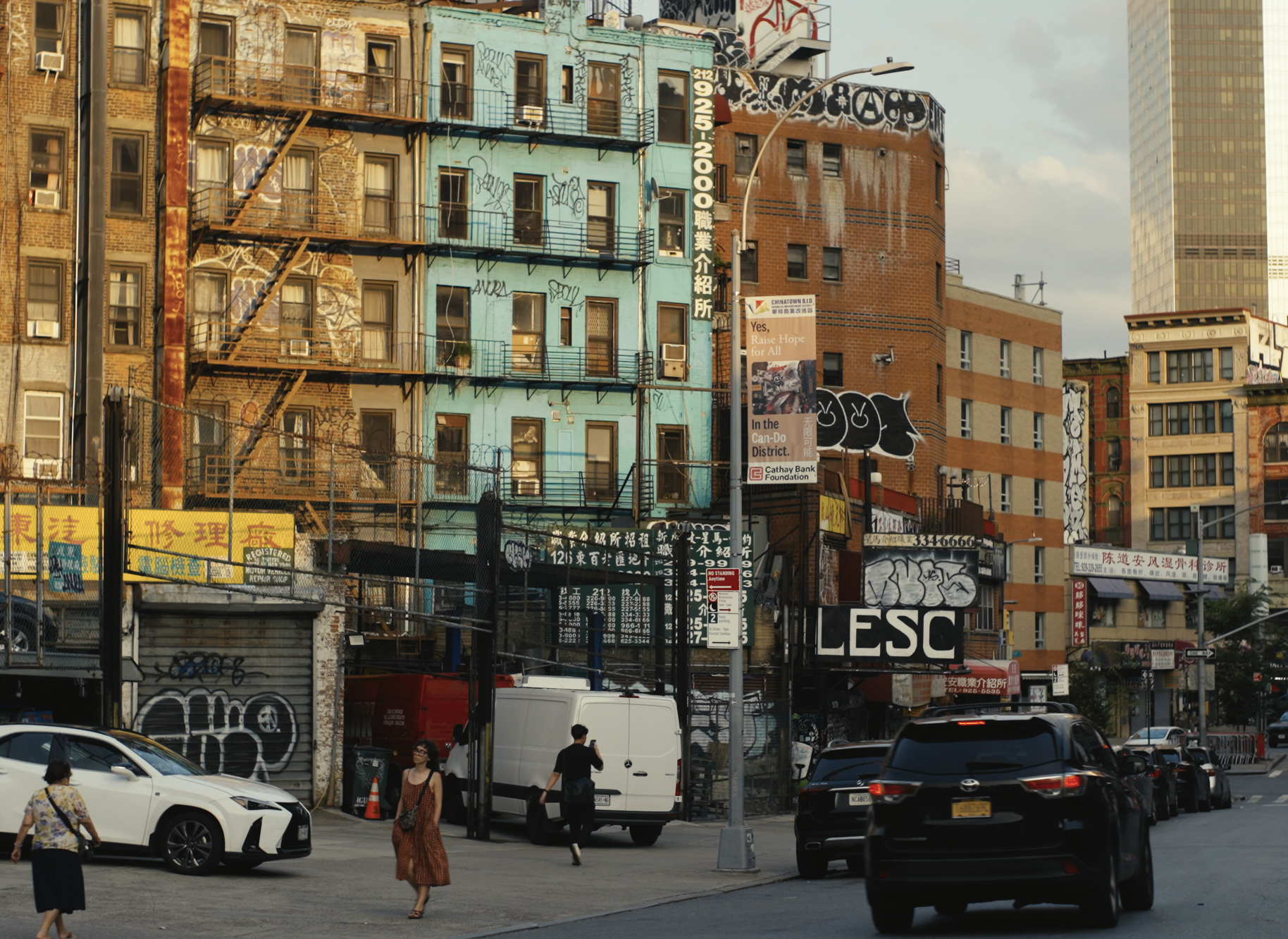
As a recent PhD in neurobiology from Córdoba, Argentina, Lupe (30) moves to the U.S. to begin a postdoc at a prestigious university in New York, continuing her research on the effects of psilocybin on the brains of induced-depressed rats. Confident, independent, and adventurous, she considers herself a committed feminist, ready to change the world.
But her starting-off faith is slowly challenged. Things aren’t as magical as she imagined.
At first, everything seems to go well. Her boss likes her work and her ideas. She gives everything she has—and more—working overtime and weekends. That’s what’s expected. After a few months, she presents her research at a conference and is approached by a respected science publication. Her growing success, increasingly independent from her supervisor, makes him feel threatened. He begins subtly putting her down. Suddenly, nothing she does is enough to prove she’s capable.
Slowly and insidiously, he manipulates her, convincing her she is nothing without him and turning other female colleagues against her. The sense that there is room for only one woman to succeed begins to spread. She tries to resist these feelings—she believes in female solidarity—but they prove stronger than she expected. Depression sets in. Her hopes of succeeding drift further and further away.
At this low point, a co-worker asks her out. They begin dating, and it lifts her spirits somewhat—though ideally, she wouldn’t want her happiness to depend on a man again. Gradually, even in the relationship, she starts to feel like she’s not enough. She ends it.
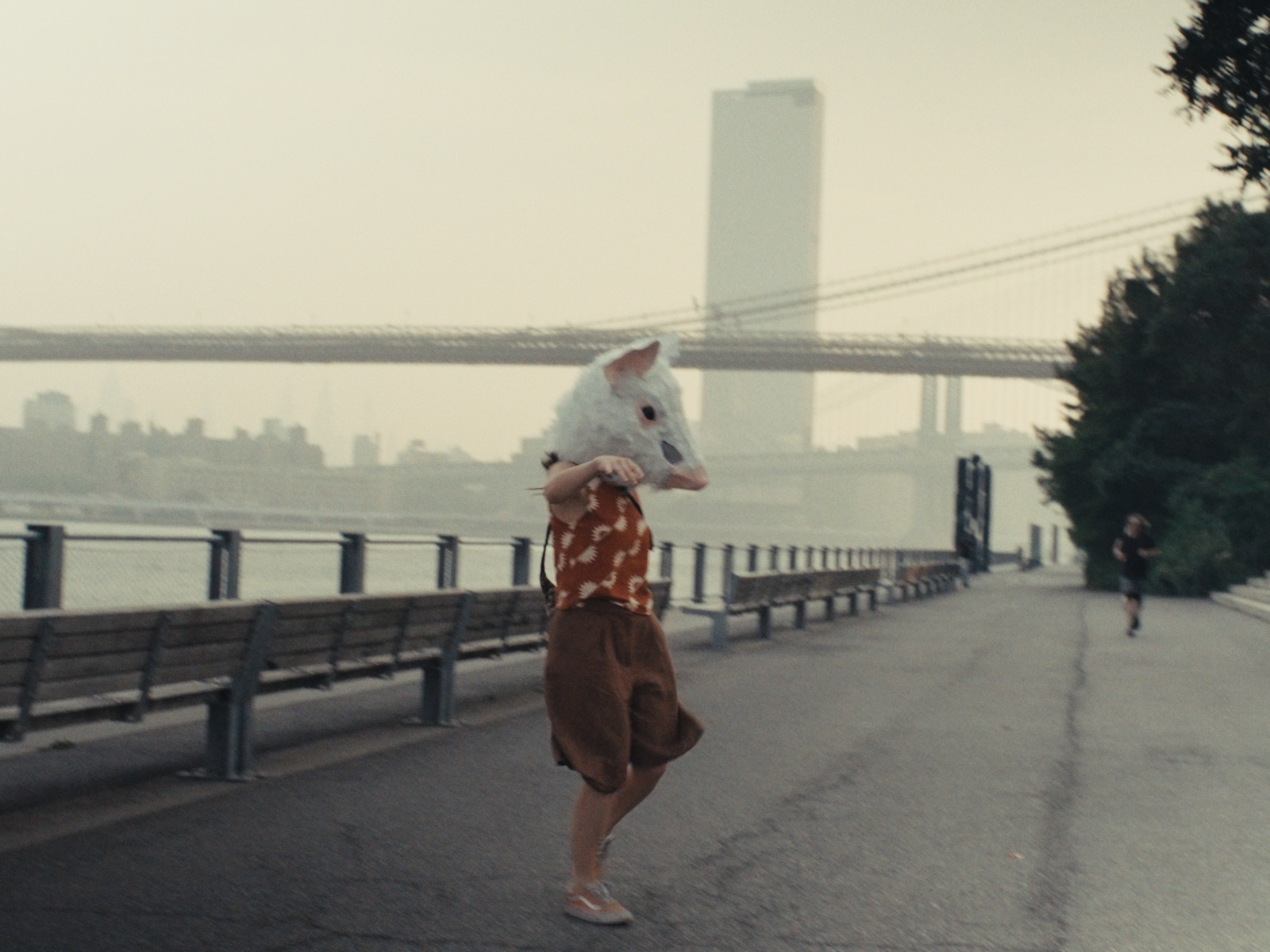
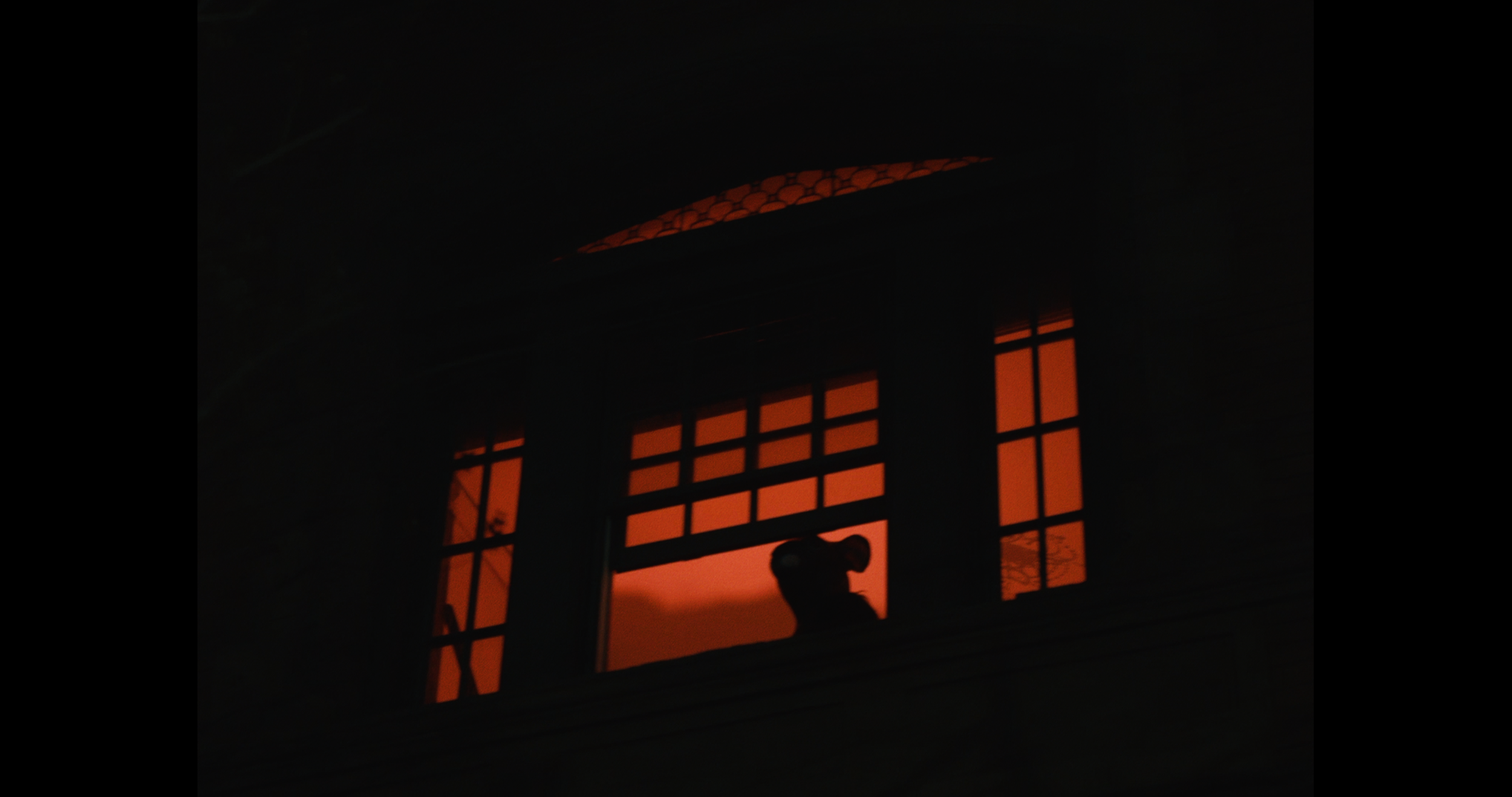
Unable to sustain the self-esteem and sense of empowerment she believes she should have, she sinks deeper into depression. After trying yoga and meditation, she considers taking matters into her own hands by using the psilocybin from her lab experiments on herself. What begins as carelessness starts to blur the boundaries between her work with the rats and her own life. Her insecurities, embodied as rats, follow her from the lab into the streets and back to her shabby New York apartment.
Finally, when she decides to undergo the treatment with proper set and setting, she experiences a breakthrough: her self-worth is hers to define, not something granted by others. She comes to understand that success is not what she once believed it to be.
CREDITS
Writer / Director / Producer: Maria Belen Poncio
Executive Producer: Julia Solomonoff
Producers: Franca Cullen, Vinhya Gupta
Cinematographer: Gianna Badiali
Production Designer: Marianne Auvinet Gould
We can accept donations via Zelle (through your bank account) @ fiscal@woodstockfilmfestival.org or by check (made out and sent to Woodstock Film Festival, PO Box 1406, Woodstock, NY 12498) or ACH/wire transfer for any amount. Please clearly note you are donating to WHEN I REALIZED I WAS A BAD FEMINIST AND GOT DEPRESSED.
WHEN I REALIZED I WAS A BAD FEMINIST AND GOT DEPRESSED is a fiscally sponsored project of The Woodstock Film Festival, Inc. a 501(c)(3) non-profit organization. Donations are tax-deductible to the full extent of the law. Your generous contribution will support an outreach campaign to help WHEN I REALIZED I WAS A BAD FEMINIST AND GOT DEPRESSED reach a wide audience.
Please contact fiscal@woodstockfilmfestival.org for any questions regarding donations.