
The Power of Film
Going to a movie theater on a Friday night or selecting a new release to stream at home may help us to disconnect and unwind from the week. For movie lovers at the Woodstock Film Festival, we know that film is more than just entertainment and escapism. Film is about connection. It is a learning tool, a mode for representation. It prompts questions, it is art. It can inspire, promote creativity, and motivate justice.
Film History
Moving pictures have existed since 1895 thanks to inventions from the Lumière brothers. It was some years later that the first female director, Alice Guy-Blaché began to film narrative fiction, infusing stories into the medium. Storytelling has traditionally existed to share ways in which to make sense of the world. As cinema hit its golden age in the 1930s, it became a popular form of entertainment, but that does not stand to discredit its overall effect on society.
The Political Power of Film
Film has power in changing the way we think about the world around and within us. Political issues, environmental issues, issues on race and justice, are a few examples. Documentaries like BLACKFISH or FOOD, INC. present audiences with questions to ponder about the ways in which industries within our society function for profit at the expense of preserving nature and respecting life.
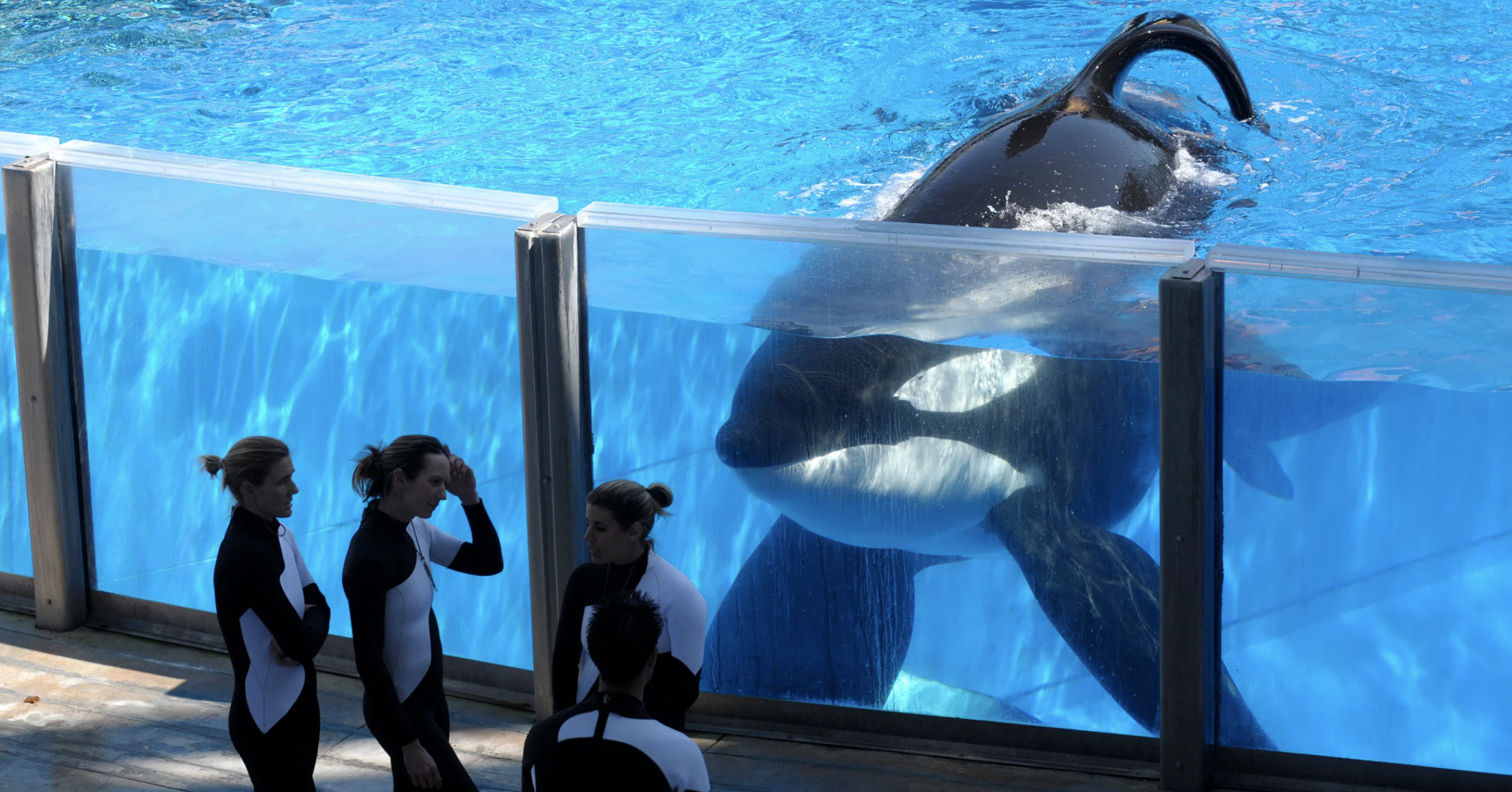
Still from BLACKFISH (2013)
The Power of Perspective in Film
Films are also important in terms of representation. As a visual medium that reaches large audiences, lack of or incorrect representation in media can lead to misconceptions and prejudices. However, films like CRAZY RICH ASIANS, for example, are able to open people from various backgrounds up to different cultures and customs. There’s power in creating a shared experience via narratives that take a look into opposing worldviews.
In fact, character studies in movies, fiction and nonfiction alike, allow for the understanding of complexity within individuals. In the 2012 documentary, THE ACT OF KILLING, for example, we see how over the course of the film, one of the men involved in the Indonesian genocide of 1965 begins to come to grips with the horrors of his past deeds. Not only do viewers get to empathize with a person otherwise depicted as the villain of the film, the subject himself begins to question his role in his own story.
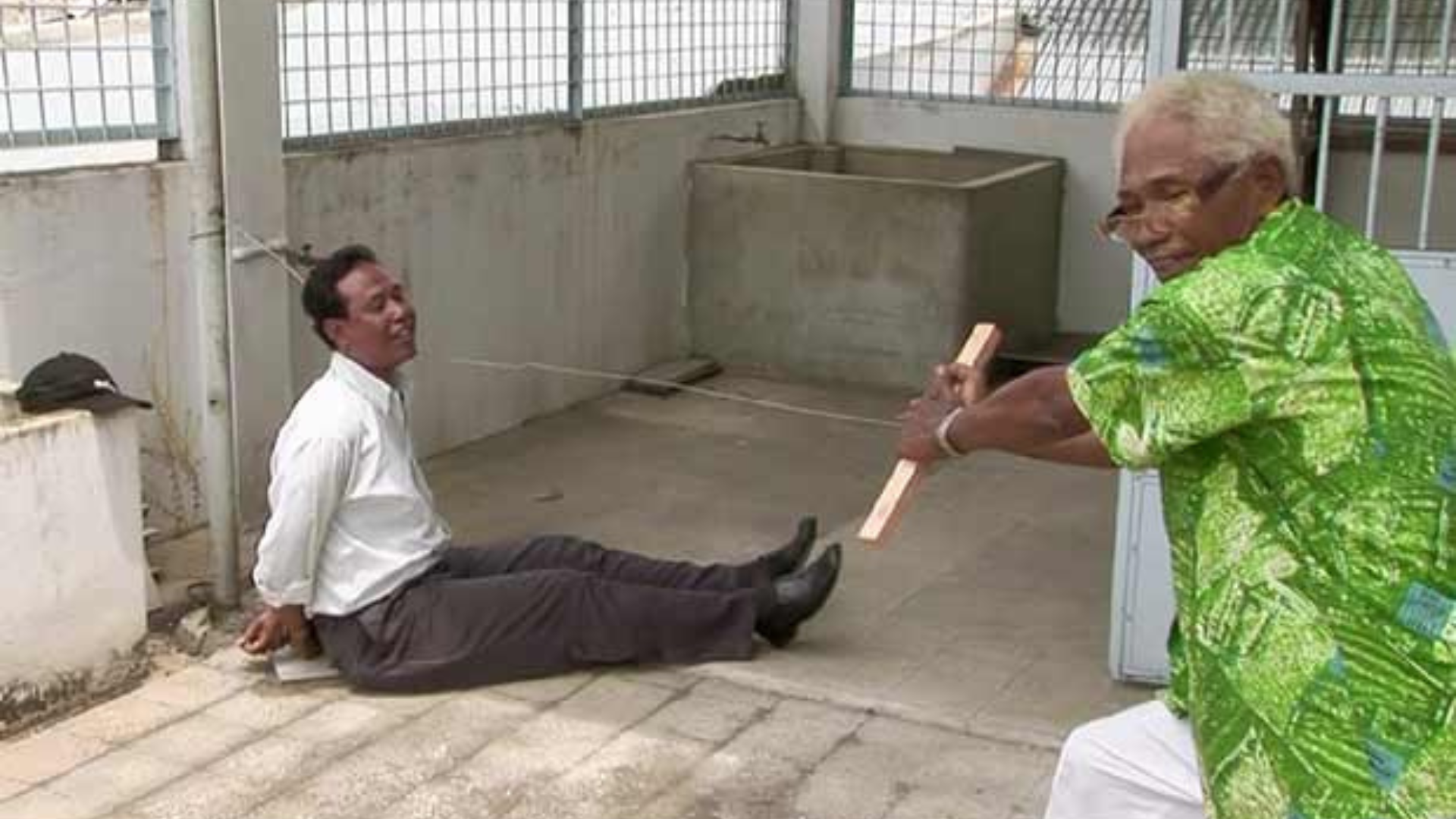
Still from THE ACT OF KILLING (2012)
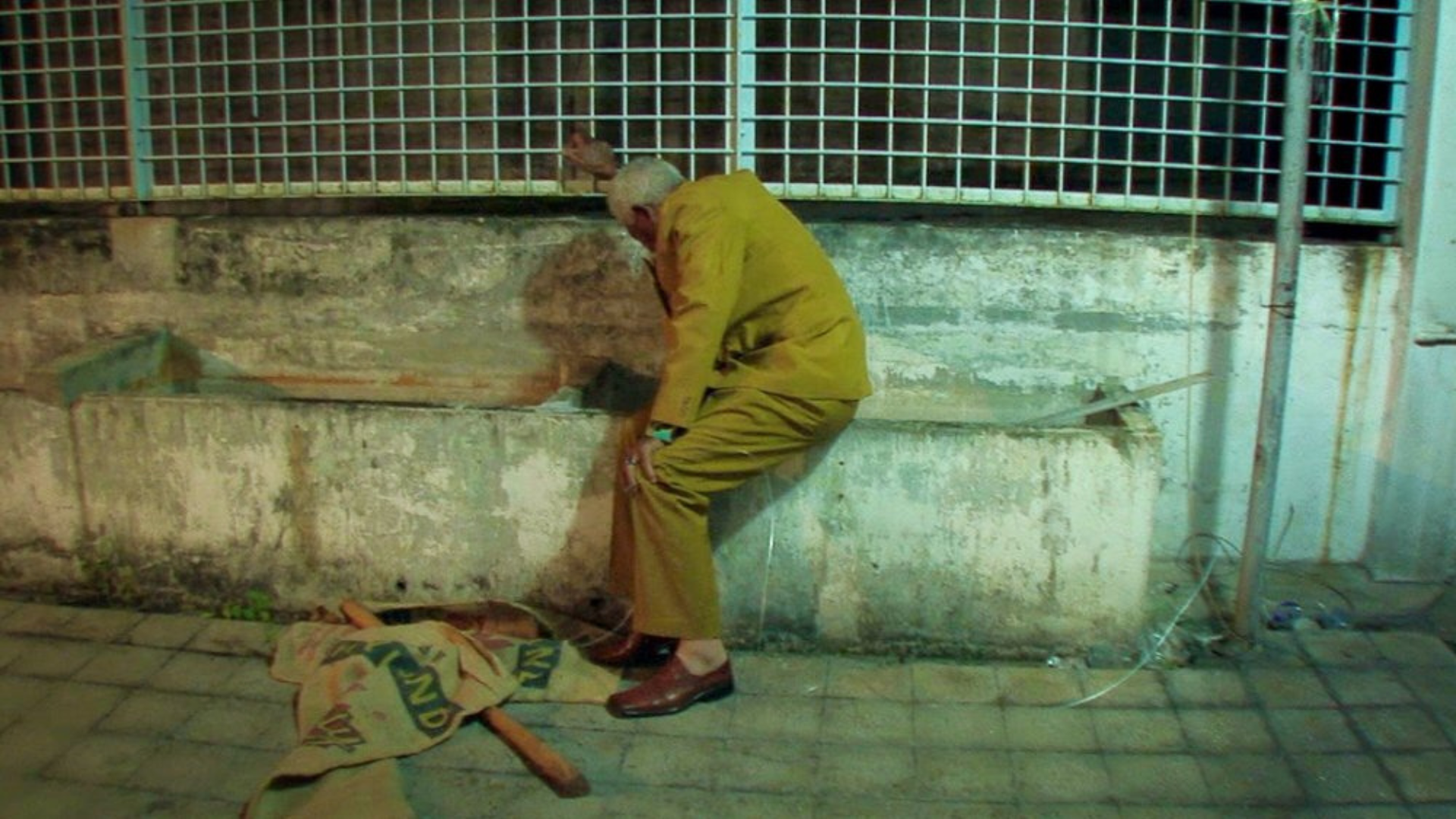
Still from THE ACT OF KILLING (2012)
On top of igniting conversation and inspiring social change, film is also an influential art form. Film is “the art of creating awe” through story, visual and practical effects, costume and sound design. Take Dan Kwan and Daniel Scheinert’s EVERYTHING EVERYWHERE ALL AT ONCE, for example, a film that uses so many of these techniques to take audiences on an emotional ride and simulate the colorful rollercoaster of the human experience.
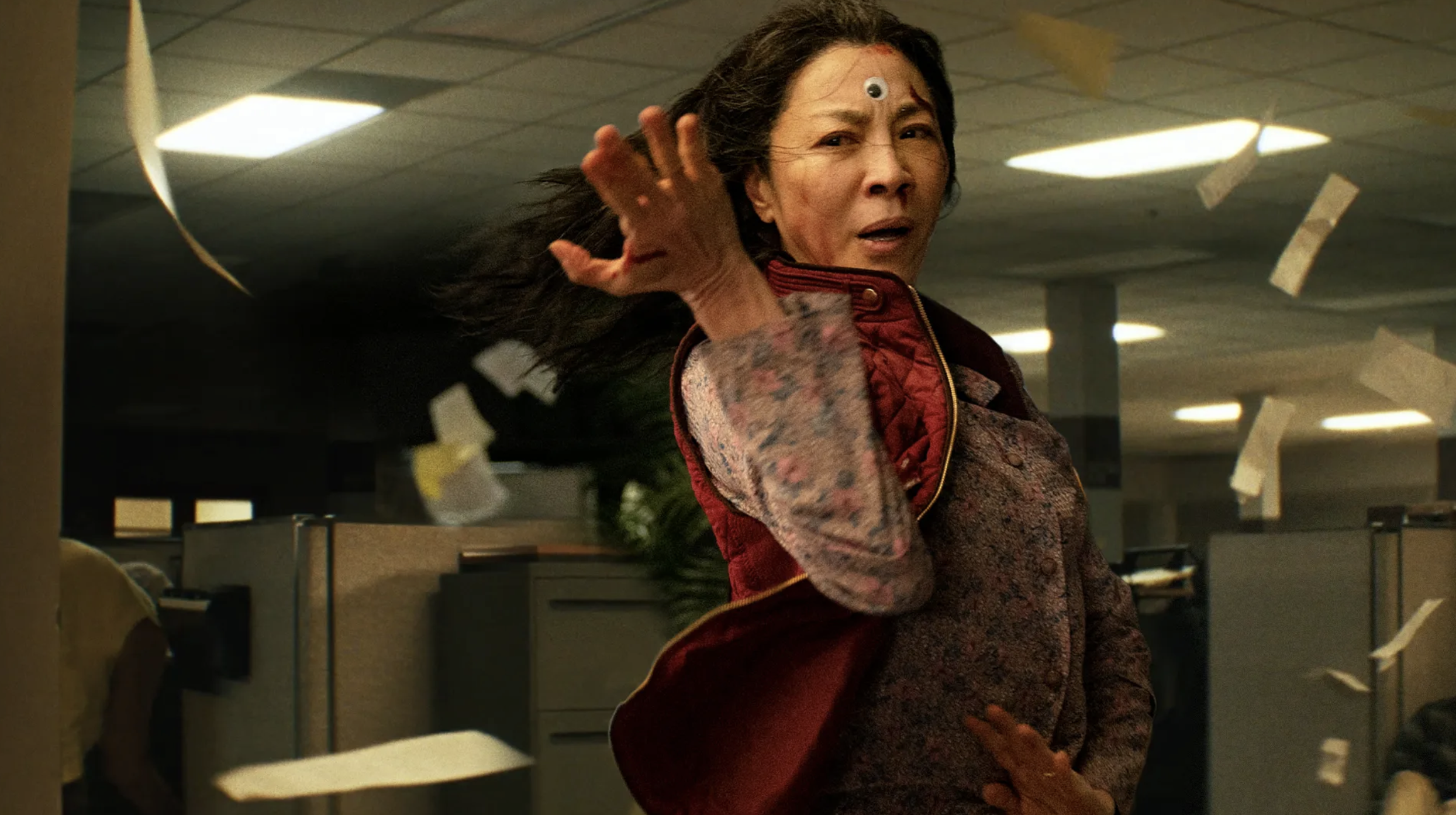
Still from EVERYTHING EVERYWHERE ALL AT ONCE (2022)
The True Power of Film
The power of film is not that it can change the world with a wave of a magic wand, but that it inspires people to see the world differently and think about how they can make change. The power the medium has is not limited to its influence in changing minds, bringing people of different backgrounds and beliefs together, and challenging social norms. Film is an equalizer, a less expensive way to push audiences to travel outside of their bubbles, evoke emotions previously unexplored, and ultimately bridge gaps between differences.
At the Woodstock Film Festival, we emphasize the power of filmmaking within a community that supports artistry, progressive thinking, mindfulness of social, political, and environmental issues, and independent vision. Our 23rd annual festival is just months away. Follow us on social media to stay tuned for updates and tickets, and don’t miss out on The Phoenicia International Festival of the Voice upcoming event Hollywood in the Hills, a night of celebrating Opera in the Movies.
Written by Casey O’Connell for The Woodstock Film Festival.